Your Private Training Library
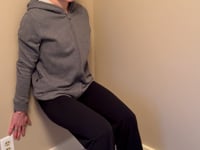
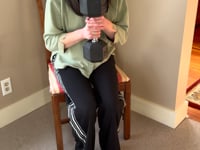
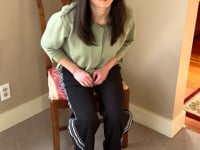
These demos include multiple levels, designed for current students only.
Important: These exercises are shared for current clients and general educational viewing only. They are not individualized instruction. If you are not a current student working directly with us, please do not try these exercises without appropriate supervision and medical clearance.
Educational Purposes Only
All information, movement demonstrations, warmups, and exercise suggestions provided on the AgeSmart Fitness website are for general educational and informational purposes only. Content is designed to share ideas about healthy movement and aging well and is not a substitute for individualized instruction, medical advice, diagnosis, or treatment. Participation in any exercise or movement activity involves inherent risk, particularly for individuals with balance challenges, osteoporosis, dizziness, joint conditions, or other health concerns. By choosing to view or attempt any exercise shown on this site, you acknowledge that you are doing so voluntarily and entirely at your own risk. You agree to consult with a physician or qualified healthcare provider before beginning any new exercise or balance program, especially if you have a medical condition, injury history, or concerns about falls or dizziness.
Stop immediately if you experience pain, shortness of breath, dizziness, or discomfort. Agesmart Fitness and its owner assume no responsibility or liability for any injury, loss, or damage that may occur as a result of the use or misuse of information presented on this website. By using this site, you agree to release and hold harmless Agesmart Fitness from any and all claims arising from participation in activities suggested or shown here. Exercise videos and demonstrations are shared for educational viewing and for continuity with current students. They are not intended to be followed without appropriate supervision. Individuals who are not current students working directly with a qualified professional should not attempt these exercises without medical clearance and appropriate guidance.
By accessing and viewing this website, you acknowledge that you have read, understood, and agreed to these terms.